Highway Maintenance and Commercial Landscaping
 Save
Camps Highways is an independent information portal for professionals responsible for maintaining roads, footways and commercial land in the UK. Whether you manage highways for a local authority, run a contracting business or oversee facilities for a developer, you will find clear explanations of maintenance methods, regulatory processes and practical steps you can apply to your projects.
Practical steps for effective maintenance
Start with a structured approach that prioritises safety, longevity and value. Inspect surfaces regularly to identify defects before they grow, recording location, severity and extent in a consistent format. Schedule repairs according to the risk each defect poses to road users, balancing urgent interventions with planned programmes that make the most of budgets and traffic management.
Coordinate with colleagues and neighbours when planning works. A resurfacing programme that aligns with utility upgrades or adjacent developments reduces disruption and lowers costs for everyone involved. Check whether Section agreements or adoption processes are in progress on the same stretch of road, and adjust timing to avoid repeated excavation.
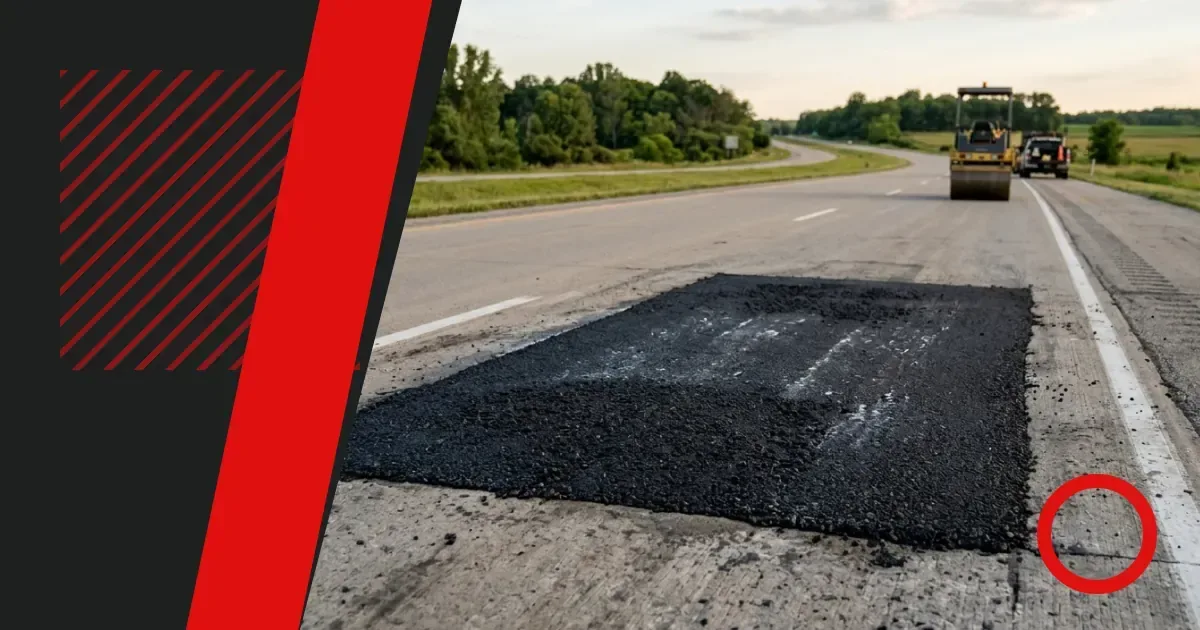
Choose repair methods that match the problem and the context. Temporary fixes with cold-lay materials keep a route open until permanent work can be scheduled, while hot-applied surfacing restores structure and extends service life. Surface dressing refreshes worn carriageways at lower cost than full reconstruction, and jet patching fills smaller voids quickly without needing a gang or traffic management.
- Walk or drive the site before works begin, noting drainage condition, verge encroachment and visibility at junctions.
- Mark out the work area clearly, using cones, barriers or signs that comply with the traffic management plan.
- Prepare the base by removing loose material, cleaning edges and checking for underlying structural failure.
- Apply the repair material in layers, compacting each pass to prevent settlement and water ingress.
- Inspect the finished surface for level, texture and joint integrity before removing traffic management.
Choices and options across maintenance disciplines
Highways maintenance covers a wide range of tasks, each with its own set of techniques and materials. Carriageway repairs range from shallow patching to full-depth reconstruction, depending on how far deterioration has spread through the pavement layers. Footway maintenance often involves smaller-scale work but demands attention to accessibility, tactile paving and trip hazards that pose immediate risk to pedestrians.
Drainage systems require regular cleaning and inspection to prevent flooding and pavement damage. Gully cleaning removes silt and debris that block outfalls, while camera surveys reveal cracked pipes or root intrusion before they cause collapse. Verge and hedgerow maintenance controls vegetation that obscures sightlines or encroaches onto the carriageway, and tree surgery addresses branches that overhang traffic or present a hazard in high winds.
| Maintenance type | Temporary solution | Permanent solution | When to use each |
|---|---|---|---|
| Pothole repair | Cold-lay patching | Hot box or jet patching | Cold lay when weather or access prevents hot work; hot methods when a lasting repair is needed |
| Carriageway surface | Surface dressing | Resurfacing or reconstruction | Surface dressing where structure is sound; resurfacing when the wearing course has failed; reconstruction when base layers are compromised |
| Drainage | Jetting to clear blockage | Pipe replacement or lining | Jetting for silt and debris; replacement when pipes are cracked, collapsed or misaligned |
| Vegetation | Spot cutting to restore sightline | Programmed cutting and removal | Spot work for urgent safety issues; programmed work to maintain visibility and prevent regrowth |
Commercial landscaping on private or adopted land follows similar principles but often involves softer surfaces, ornamental planting and amenity areas that require different equipment and schedules. Grass cutting, weed control and invasive species management keep sites presentable and safe, while seasonal work such as leaf clearance and winter gritting protects access routes and reduces liability.
Seasonal considerations
Winter brings ice, snow and increased pothole formation as freeze-thaw cycles break up weakened pavement. Gritting and snow clearance keep routes passable, but repairs to weather-related damage often wait until temperatures rise and materials cure properly. Spring and summer offer the best conditions for surfacing work, though high temperatures can soften fresh asphalt and extend curing times.
Autumn demands attention to leaf fall, which blocks gullies and creates slippery surfaces on footways. Vegetation growth slows, making it a practical time for tree surgery and hedgerow maintenance that would be harder to schedule during the growing season. Plan annual programmes around these patterns, booking contractors and materials early to secure capacity when demand peaks.
The basics of highway and landscape maintenance
Highway maintenance preserves the condition, safety and usability of roads, footways and associated infrastructure. It includes reactive repairs to defects such as potholes and cracked kerbs, planned resurfacing programmes that renew worn surfaces before they fail, and routine tasks such as gully cleaning, grass cutting and sign maintenance that prevent larger problems from developing.
Commercial landscaping manages the outdoor spaces around business premises, housing developments and public facilities. Work includes mowing, hedge trimming, weed control, planting and hard landscaping, as well as seasonal tasks such as leaf clearance and winter gritting. The goal is to maintain appearance, safety and accessibility while managing costs and environmental impact.
Both disciplines rely on inspection, planning and timely intervention. Regular surveys identify defects early, when repair is simpler and cheaper. Planned programmes spread work across the year, avoiding the need for expensive emergency callouts and reducing disruption to users. Good record-keeping supports defensible decisions, helps track asset condition over time and provides the evidence needed for funding bids and insurance claims.
Understanding asset condition
Carriageways, footways and landscape features deteriorate at different rates depending on traffic, weather, materials and construction quality. A carriageway structural assessment measures pavement strength and identifies weaknesses beneath the surface, guiding decisions about whether patching will suffice or deeper reconstruction is needed. Visual surveys capture surface defects such as cracking, rutting and edge failure, while drainage surveys use cameras to inspect pipes and gullies without excavation.
Landscape assets such as grass, hedges and trees are assessed by eye, noting growth rate, health and encroachment onto adjacent areas. Invasive species such as Japanese knotweed require specialist identification and control plans to prevent spread. Hard surfaces including block paving, kerbs and safety barriers are inspected for settlement, cracking and displacement that could create trip hazards or weaken containment.
Common mistakes and how to avoid them
Skipping preparation is the most frequent cause of failed repairs. Patching onto a wet, dirty or unstable base produces a repair that lifts, cracks or settles within weeks. Take time to cut back to sound material, remove standing water and compact the foundation before applying surfacing. Poor joint sealing lets water penetrate the repair, accelerating deterioration and undoing the work.
Choosing the wrong method for the context wastes money and creates repeat failures. Cold-lay materials offer convenience but lack the durability of hot-applied asphalt, making them suitable for temporary repairs or low-traffic areas but inappropriate for permanent fixes on busy roads. Surface dressing applied to a structurally weak pavement only masks the problem, and the surface will fail again as the base continues to deteriorate.
Ignoring drainage during repairs stores trouble for later. Water trapped beneath a patch softens the foundation and accelerates pothole formation. Check that gullies and channels are clear before resurfacing, and ensure new surfaces drain towards existing outfalls rather than ponding or running onto adjacent property. A repair that solves the visible defect but leaves water pooling will need redoing within months.
Coordination and communication
Failing to notify residents, businesses and other road users before starting work creates complaints and delays. Advance warning letters, signs and online updates set expectations and allow people to plan around closures or parking restrictions. Coordinate with utility companies to avoid clashes, and check whether traffic management for roadworks requires approval from the highway authority or police.
Poor communication within the team leads to missed steps, incorrect materials and rework. Confirm the scope, method and programme with everyone involved before mobilising, and ensure that site instructions match what was agreed in the plan. A written briefing or toolbox talk at the start of each shift reduces misunderstandings and keeps everyone working to the same standard.
Where to go next
Build your knowledge by exploring the specific processes and agreements that govern highway work. Understanding how to plan a road resurfacing programme helps you structure larger projects from survey through to handover, while familiarity with the highway adoption process clarifies the steps needed to transfer new roads into public maintenance. Regulatory topics such as Section 278 agreements and road safety audits explain the formal requirements that apply to development-related highway work.
Keep current with industry guidance and local authority specifications, which change as materials, standards and environmental expectations evolve. Join professional networks, attend regional forums and read technical bulletins from bodies such as the Chartered Institution of Highways and Transportation. Practical experience remains the best teacher, but staying informed about emerging methods and legal obligations helps you deliver work that meets expectations and stands the test of time.
The information on this portal is for general guidance only. We do not sell any goods or services.
#Pothole repair #Resurfacing #Drainage #Carriageway
Download PDF: Pre-repair site inspection checklist PDF, 28 KB
Frequently asked questions
Can you repair a pothole permanently without excavating the full depth?
Permanent repair depends on whether the base is sound. If deterioration is confined to the surface, a hot-applied patch bonded to clean, dry edges can last for years. When the base has failed, a surface-only patch will settle or crack as traffic loads the weakened foundation beneath.
How do you decide between patching and resurfacing a section of road?
Count the number and size of defects within a given length. When patching would cover more than a third of the surface, or defects are closely spaced and likely to spread, resurfacing the whole section is usually more cost-effective and gives a longer service life.
What is the difference between surface dressing and resurfacing?
Surface dressing applies a thin layer of bitumen and stone chippings to seal the surface and restore skid resistance, suitable when the underlying structure is sound. Resurfacing removes the worn layer and replaces it with new asphalt, addressing surface and near-surface defects but not deeper structural problems.
Why do some potholes reappear shortly after being filled?
Water beneath the patch softens the foundation, or the edges were not cut back to sound material. Inadequate compaction also allows the repair to settle under traffic. A patch that fails quickly usually indicates the base needs stabilising or the defect was deeper than treated.
Is cold-lay patching suitable for permanent repairs on footways?
Cold-lay materials are less durable than hot asphalt, but lower traffic loads on footways mean they can perform adequately if properly compacted and confined by kerbs or edging. For high-footfall areas or where accessibility is critical, hot-applied materials give better longevity and surface finish.
How often should gullies be cleaned to prevent drainage problems?
Frequency depends on local conditions such as leaf fall, soil erosion and traffic volume. Most local authorities inspect and clean gullies annually, with more frequent visits in areas prone to flooding or heavy silt accumulation. Reactive cleaning addresses blockages reported by the public or identified during inspections.
What should you check before starting a carriageway repair in winter?
Confirm that surface and air temperatures meet the material manufacturer's minimum curing requirements, usually above a certain threshold for hot asphalt. Check the forecast for rain or frost within the curing period, and ensure the base is dry and free of ice before applying the repair.