Non-chemical weed control for hard surfaces: 4 methods replacing glyphosate
 Save
Controlling weeds on pavements, car parks and road edges without glyphosate means choosing from steam treatment, hot foam, flame weeding or mechanical removal. Each method works differently and suits different sites. Camps Highways explains what councils and contractors now use, how each approach performs and what to consider when moving away from chemical control.
Why councils stopped using glyphosate
Glyphosate was withdrawn from many local authority weed control programmes after public concern about its environmental impact and potential health effects. While it remains approved for use in the UK, many councils chose to stop applying it on public land. The decision left highway teams and grounds contractors looking for alternatives that could deliver similar results without the same concerns.
Hard surfaces — footways, kerb lines, car parks and road edges — present particular challenges. Weeds establish quickly in cracks and joints, and left unchecked they can lift paving, block drainage channels and create trip hazards. Any replacement method needs to be effective, repeatable and safe for operatives and the public.
Steam treatment for footways and car parks
Steam units heat water to high temperature and apply it directly to weeds through a handheld lance or vehicle-mounted boom. The heat destroys plant cells, causing the weed to collapse within hours. The method works well on annual weeds and smaller perennials, though deep-rooted species may need repeat applications.
Equipment ranges from pedestrian machines for small areas to truck-mounted systems for larger contracts. Water consumption is relatively low compared to hot water alone, because steam transfers heat more efficiently. Operatives need training to avoid burns, and the public must be kept clear of the working area. Results are visible quickly, but regrowth from roots means most sites need treatment several times a season.
Where steam works best
Pedestrianised streets and town centres suit steam treatment because the equipment is quiet and produces no flame or chemical residue. Car parks, school grounds and housing estates also respond well. The method is less practical on wide highway verges or rural roads, where the area to be covered makes it slow and costly.
Hot foam systems
Hot foam mixes water, a natural oil or starch-based foam agent, and heat. The foam clings to the plant longer than water alone, extending contact time and improving the kill rate. Like steam, it works by destroying cell structure. The foam agent is biodegradable and breaks down quickly on the surface.
Vehicle-mounted applicators can cover larger areas than handheld steam lances, making hot foam a practical choice for urban road networks. The foam is visible on the ground for a short time after application, which helps operatives track coverage and reassures residents that the work has been done. Persistent perennials still require multiple visits, and the method is less effective in wet weather when foam is diluted or washed away.
Flame weeding
Flame weeding uses a gas-powered burner to apply intense heat to plant tissue. The aim is not to burn the weed to ash but to rupture cells, which causes the plant to die back over the following days. Flame units are mounted on hand-held lances for small sites or vehicle booms for roads and verges.
The method is fast and requires no water, which makes it useful in areas where water access is limited. However, it carries fire risk, particularly in dry conditions or near combustible materials such as litter, leaf litter or wooden fences. Many councils restrict flame weeding to early morning or evening when the public is less present, and operatives must carry fire extinguishers. Regrowth from roots means repeated applications are needed, as with other thermal methods.
Safety and public perception
Visible flame can alarm residents, even when the work is controlled and safe. Contractors often find themselves explaining the method to concerned members of the public. Clear advance notice and good communication reduce complaints. The equipment must never be used near schools during drop-off or collection times, or in pedestrian areas with heavy foot traffic.
Mechanical removal
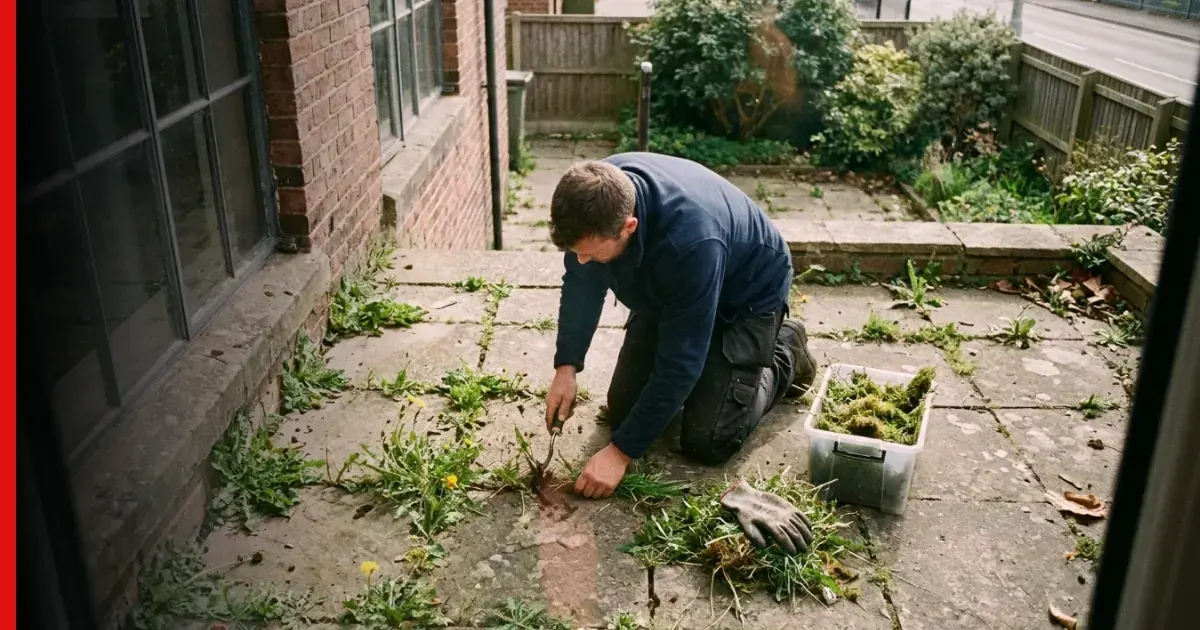
Mechanical weed control includes brushing, scraping and cutting. Tractor-mounted or pedestrian-controlled brush units sweep weeds from kerb lines and paving joints. Smaller tools such as wire brushes and hoes are used in tight corners or around street furniture. The method removes the visible growth but often leaves roots intact, so regrowth is rapid unless the work is repeated regularly.
Mechanical control produces arisings that must be collected and disposed of as controlled waste. It can damage weak or poorly laid paving, and it's labour-intensive compared to chemical or thermal methods. On the other hand, it requires no specialist training, carries no fire or scald risk, and can be carried out in all weather. For more on managing plant waste from maintenance work, see commercial hedgerow maintenance.
Choosing the right method for the site
- Assess the surface type. Pedestrian areas with good drainage and light foot traffic suit steam or hot foam. Wide road edges and verges with heavy weed growth may need mechanical clearance before thermal treatment can reach the roots.
- Consider public access. Flame weeding is impractical in busy shopping streets or near schools. Steam and hot foam allow operatives to work around pedestrians with proper barriers and signage.
- Plan for repeat visits. No non-chemical method kills established perennials in one pass. Build a schedule that allows for follow-up treatments at intervals through the growing season.
- Check weather and ground conditions. Wet weather reduces the effectiveness of hot foam and makes surfaces slippery for operatives. Dry conditions raise fire risk with flame units. Mechanical removal works in any weather but may produce more dust in dry spells.
Frequency and timing
Non-chemical weed control requires more frequent visits than glyphosate-based programmes. Most councils now plan for treatment every four to eight weeks during the growing season, rather than once or twice a year. Early intervention — before weeds set seed — reduces the overall workload and improves long-term control.
Timing matters. Treating young weeds in spring and early summer is more effective and cheaper than tackling mature growth later. Some councils combine thermal treatment with verge maintenance schedules, coordinating visits to reduce mobilisation costs.
Cost and contract implications
Switching from chemical to non-chemical weed control increases revenue costs. Equipment is more expensive to buy and maintain, operatives spend longer on site, and repeat visits add up. Councils moving away from glyphosate should adjust budgets and contract specifications accordingly.
| Method | Speed of coverage | Repeat frequency | Weather dependency |
|---|---|---|---|
| Steam | Moderate | High | Low |
| Hot foam | Fast | High | Moderate |
| Flame | Fast | High | High (fire risk) |
| Mechanical | Moderate to slow | Very high | Low |
Contracts should specify the standard expected — for example, no visible weed growth above a certain height — and the number of visits included in the price. Payment by area covered rather than per visit encourages contractors to work efficiently and discourages unnecessary applications. For broader context on structuring maintenance contracts, see highways term maintenance contracts.
Training and equipment maintenance
Thermal methods require operatives to handle hot water, steam or flame safely. Training should cover equipment operation, personal protective equipment, emergency procedures and public interaction. Vehicle-mounted systems need regular servicing to prevent breakdowns, and spare parts should be available quickly to avoid lost days.
Mechanical equipment such as wire brushes and scraper blades wear down with use and need replacing regularly. Keeping a stock of consumables on site reduces downtime. Records of treatment dates, methods used and areas covered help refine future schedules and justify budget requests.
Integrating weed control with other operations
Weed growth often appears alongside other maintenance needs: blocked gullies, overgrown verges, damaged kerbs. Coordinating weed control with seasonal maintenance and drainage work reduces the number of separate visits and makes better use of operatives' time. A single team can clear weeds, sweep channels and report defects in one pass, rather than three separate call-outs.
Some councils trial integrated approaches where one contractor handles all highway cleaning and minor maintenance under a single schedule. This joined-up model works well for urban networks where sites are close together and operatives can move between tasks without long travel times.
#Weed control #Surface dressing
Download PDF: Non-chemical weed control planning checklist PDF, 29 KB
Further reading
Frequently asked questions
What kills weeds on pavements without using chemicals?
Steam, hot foam, flame weeding and mechanical removal all control weeds on hard surfaces without chemicals. Each method uses heat or physical removal to destroy plant tissue, though repeat treatments are needed because roots often survive the first application.
How often do you need to treat weeds without glyphosate?
Most sites need treatment every four to eight weeks during the growing season when using non-chemical methods. Glyphosate programmes typically required one or two visits a year, but thermal and mechanical approaches need more frequent attention to keep weeds under control.
Is flame weeding safe to use near buildings and street furniture?
Flame weeding carries fire risk and should not be used near combustible materials, litter or in very dry conditions. Operatives must carry fire extinguishers, and the method is best restricted to early morning or evening when fewer people are present.